
Featured Products
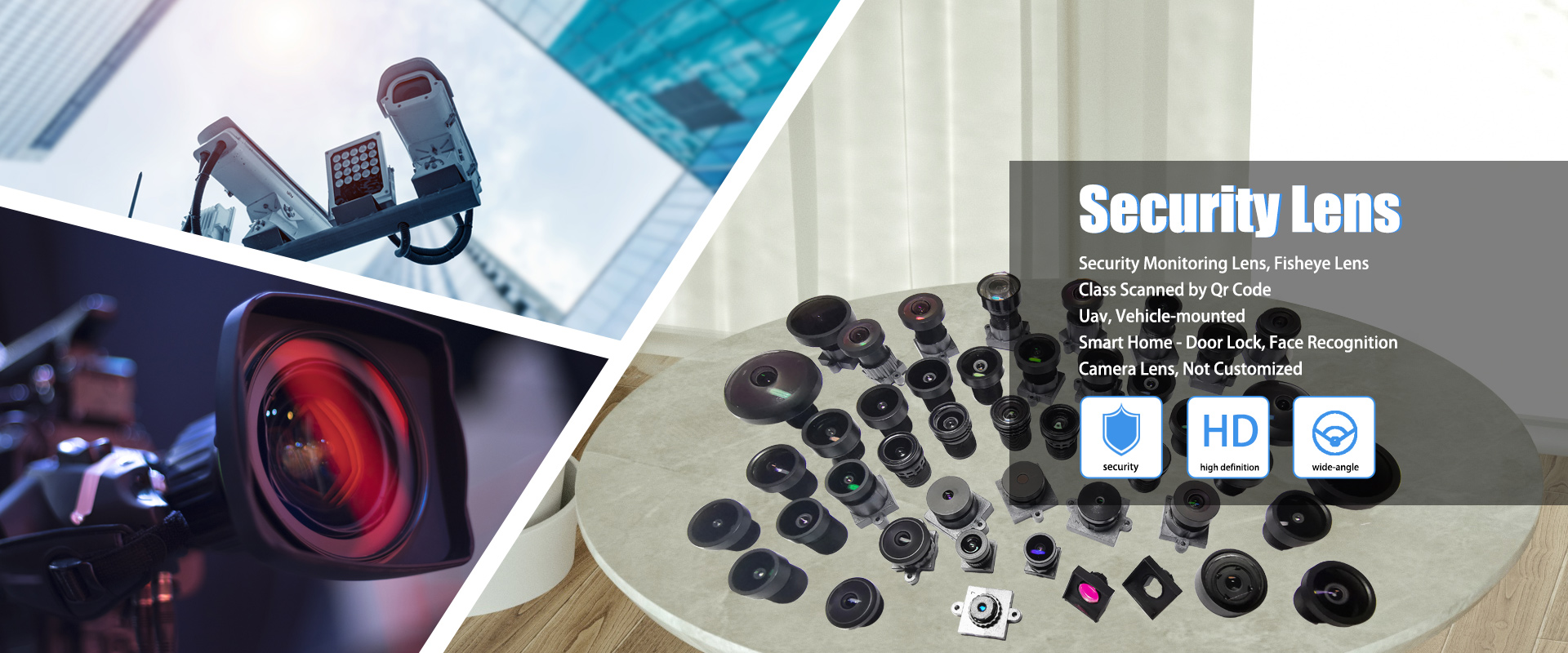
F1.6 4.0mm 1/2.7" M12 Starlight CCTV Lens
F1.0 3.26mm 1/2.7" Standard M12 Darklight CCTV Lens
F1.0 3.26mm 1/2.7" Standard M12 Darklight Lens
F1.6 4.0mm 1/2.7" Standard M12 Starlight Lens
f1.6 4.0mm 1/2.7" M12 Starlight Lens
Standard M12 F1.6 2.8mm 1/2.7" Lens
M12 F1.6 3.0mm 1/2.7" Vehicle Dashcam Lens with IR-cut
F1.6 3.0mm 1/2.7" M12 Vehicle Dashcam Lens with IR-cut
F1.6 3.0mm 1/2.7" M12 Vehicle Dashcam Lens
f1.6 3.0mm 1/2.7" M12 Dashcam Lens
f1.6 2.8mm 1/2.7" M12 Starlight Lens
f1.6 2.8mm 1/2.7" M12 Lens PL099


ABout US
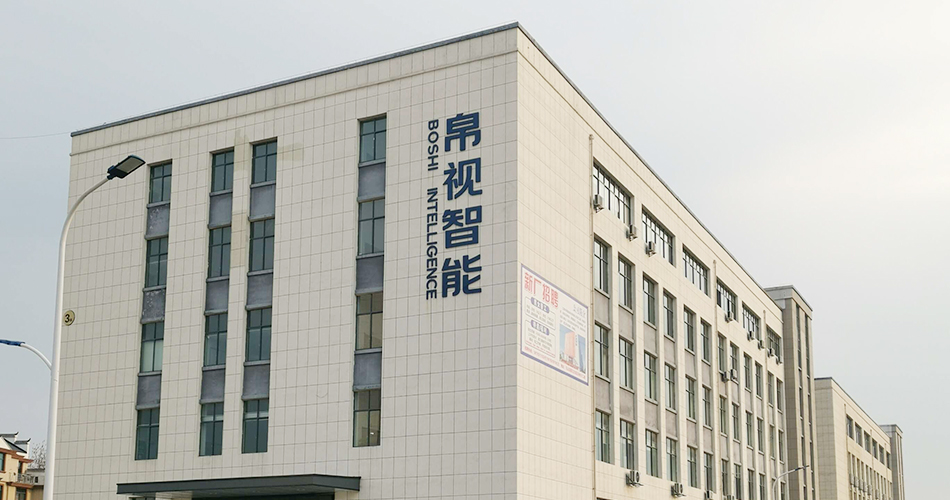
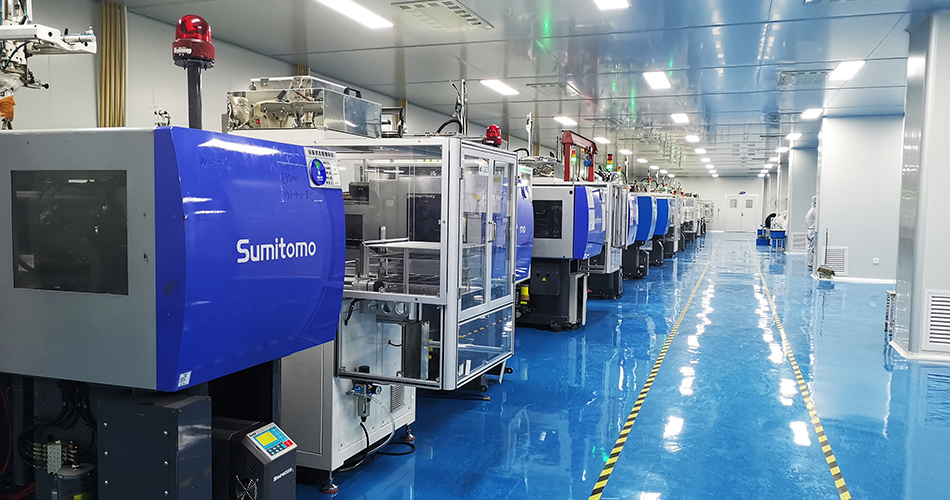
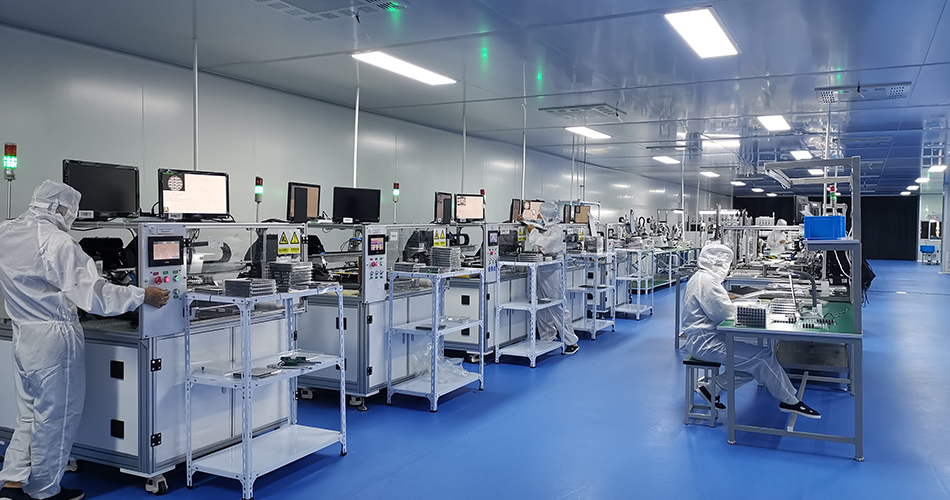
Our company was founded in 2016 and is located in Jiading Industrial Park, Shanghai.Our factory specializes in producing and selling various kinds of surveillance camera lenses and optical lenses, with an annual output value of 70 million yuan. Our company has rich experience in production, processing and technology research and development, as well as good industry resources. At present, the company's core products are mainly concentrated in the field of video surveillance equipment and medical endoscope. In the field of medical endoscope, our company has initially established its brand image and become a leading company of making it in China. We have 1 invention patent and 30 model patents already. company has a full quality system, and has passed ISO9001:2008 certification and ISO14000 environmental system certification to ensure product quality.
News

Medical Endoscope Lenses: The Art of Balancing Miniaturization and High Resolution
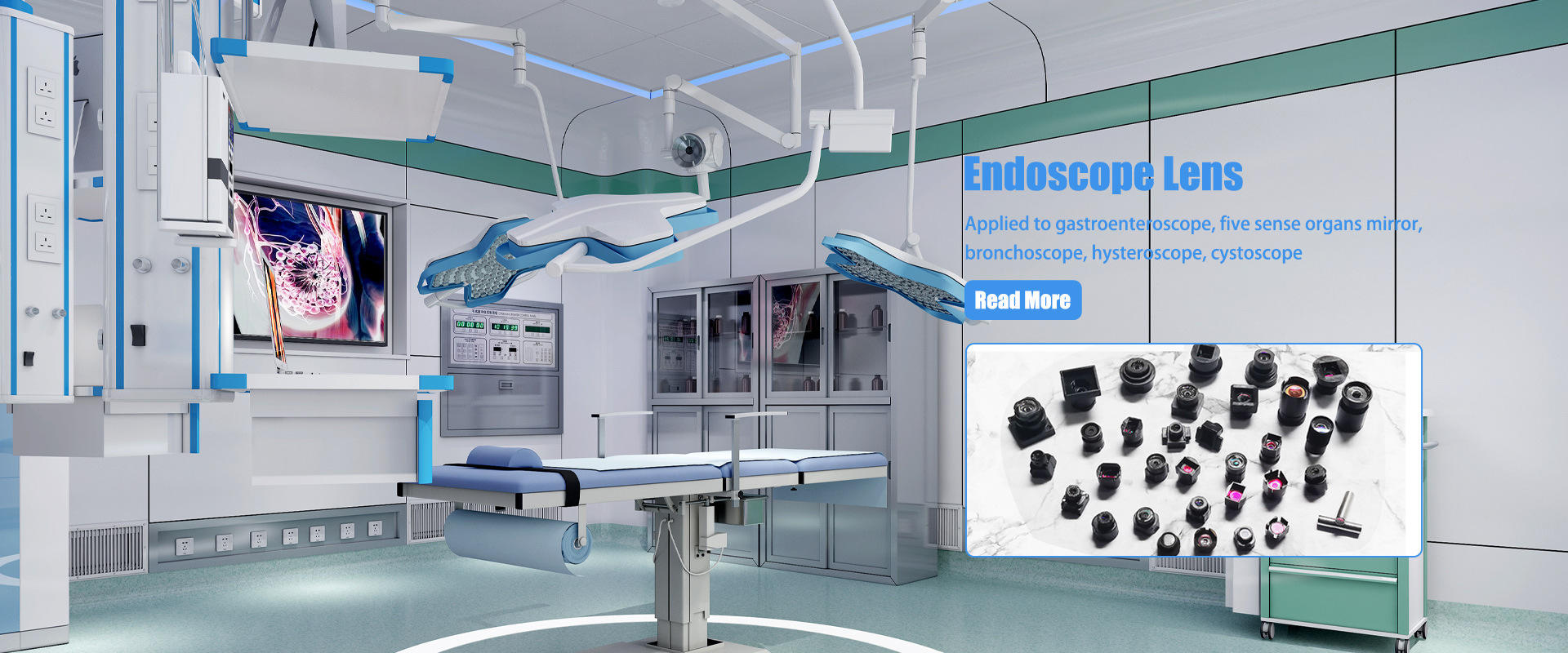
In the evolution of minimally invasive medicine, the medical endoscope serves as an indispensable tool. This precision instrument combines optics, mechanics, and electronics to allow doctors to observe and treat internal organs in real-time without large surgical incisions. As we enter the era of precision medicine, clinical demands have become nearly paradoxical: lenses must be compressed to sub-millimeter or even micron scales to navigate tiny vessels, yet they must maintain high-definition or even ultra-high-definition resolution to detect early-stage lesions.1 This tug-of-war between miniaturization and high resolution defines the modern "art of balance" in optical design.
Read More

The Optical Evolution of Dashcam Lenses: From Silent Witness to Digital Cornea
This is a fascinating look at the intersection of history, physics, and consumer technology. To polish this, I have refined the prose to be more evocative and professional, ensuring the technical terms remain accurate while the narrative flow feels more like a high-end tech journal or industry white paper.
Read More
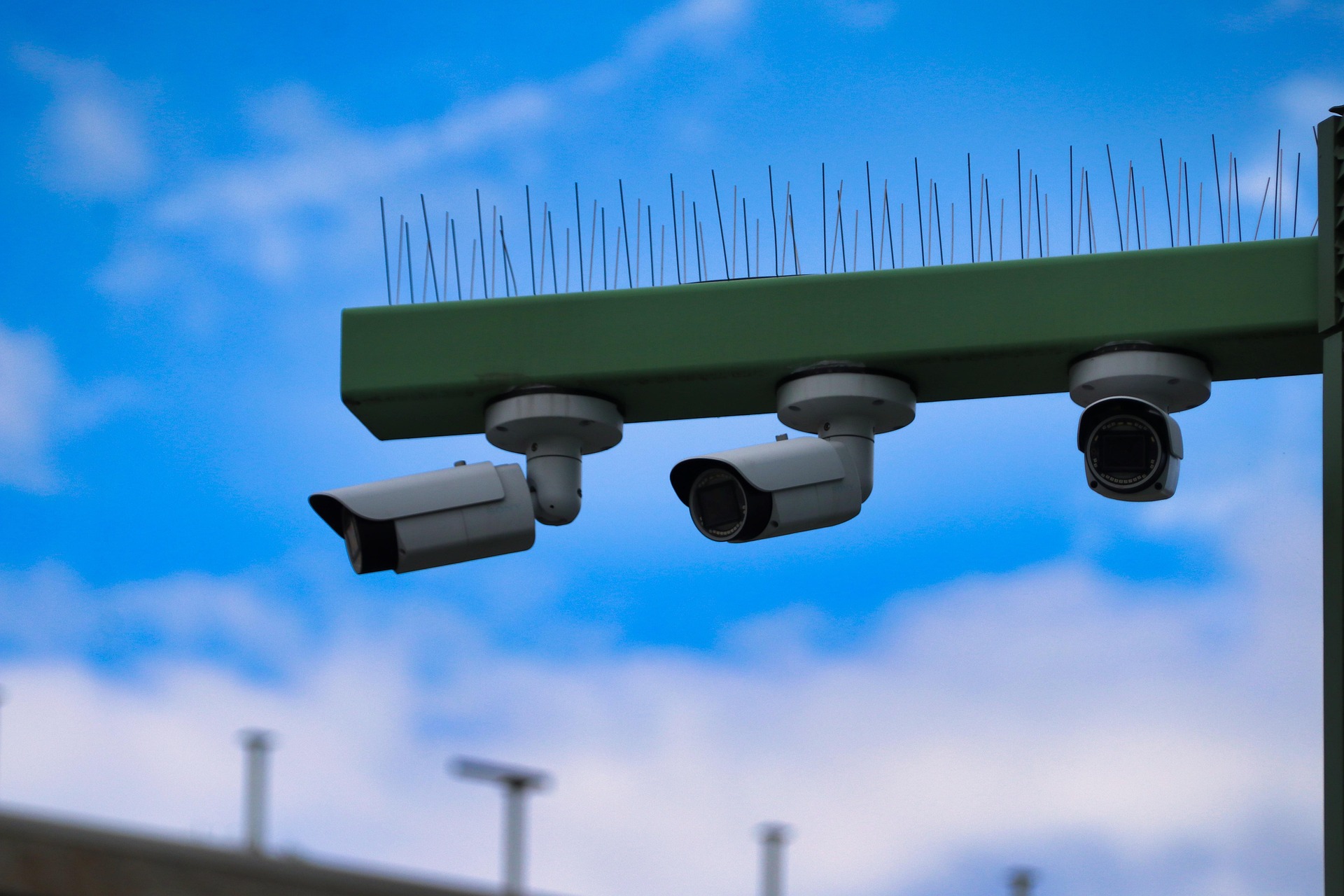
Breakthroughs in Low-Light Security Lens Technology: Black Light F1.0 vs Infrared Illumination
In the shadowed corners of cities—alleyways, underground garages, and remote rural areas—criminals often exploit the cover of night to carry out illegal activities. Statistics show that nearly 70% of crimes occur after dark. Without effective nighttime monitoring, roads, warehouses, and open fields become vulnerable zones that threaten both urban and community safety. To meet this urgent need, security camera lens technology has made remarkable strides in low-light performance. Two leading solutions have emerged: Black Light F1.0 large-aperture imaging and infrared illumination. These innovations do far more than just let cameras “see” in the dark—they enable systems to see clearly, recognize details, and even understand what they’re seeing, thanks to deep integration with artificial intelligence.
Read More
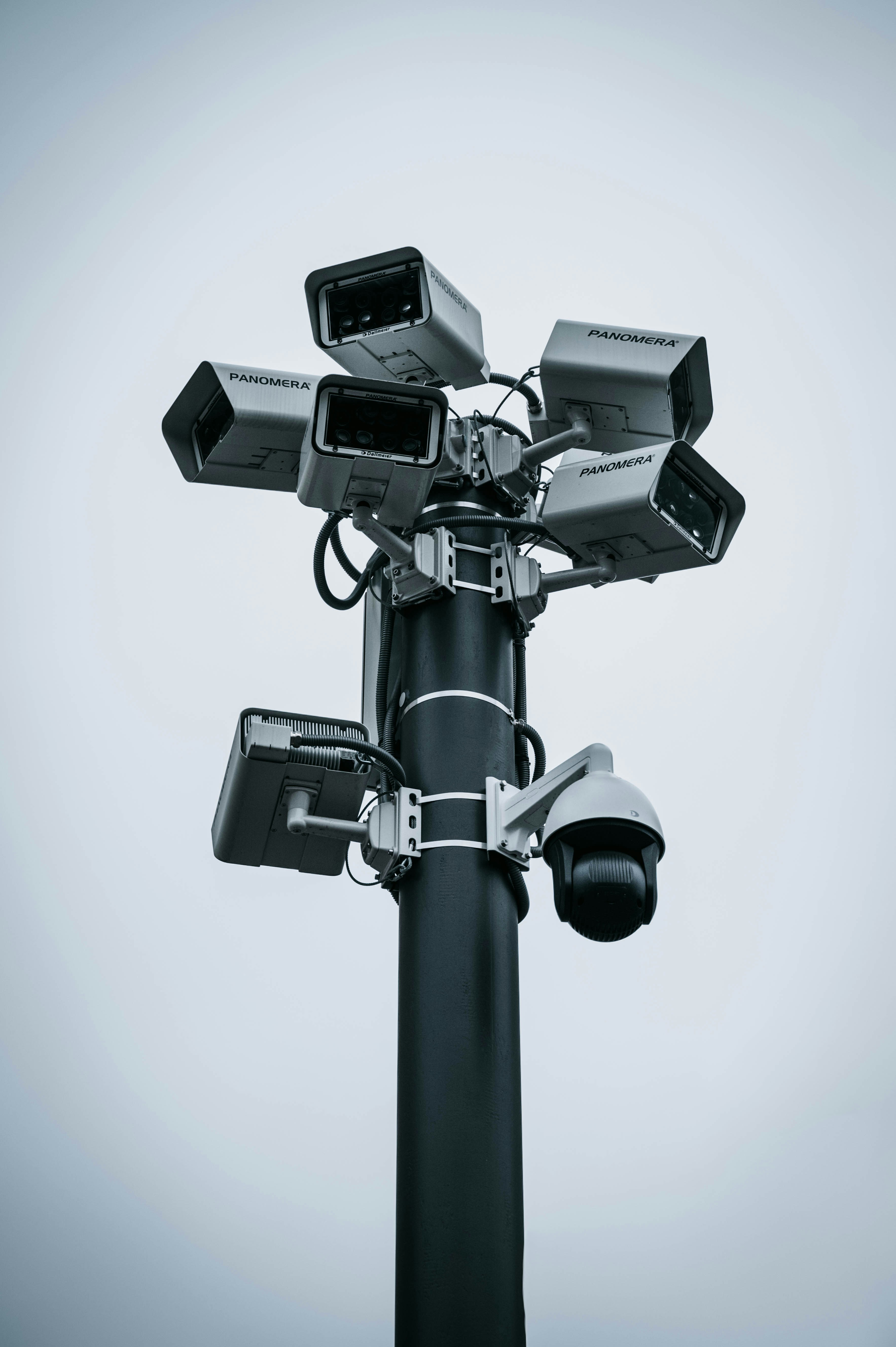
A Guide to Selecting Security Camera Lenses: How Focal Length, Aperture, and Resolution Affect Surveillance Quality
In the field of security monitoring, the lens acts as the "eye" of the camera, with its parameters directly determining the quality and practicality of surveillance. Faced with a wide array of lenses on the market, terms like focal length, aperture, and resolution often seem daunting to general users. This article demystifies these core parameters, explains their interrelationships, and provides selection recommendations for different application scenarios, helping you make informed choices.
Read More

Boshi Intelligent Technology Park grandly came into being and opened, ushering in the New Year alongside partners and employees.
Recently, the field of Boshi Intelligent Technology has witnessed a brand-new milestone —— the Boshi Intelligent Technology Park was successfully completed and grandly opened on January 8, 2025. This technology park is not only an important symbol in the company's development history but also a solid foundation for the company to reach new heights.
Read More
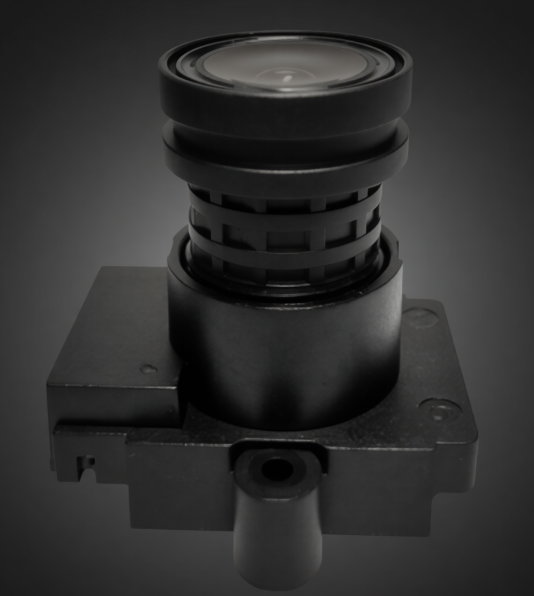
Understanding the 4mm Security Camera Lens: What It Does and Where It Works Best
Looking for the right lens for your security camera? The 4mm fixed lens might be the unsung hero you need. Not too wide, not too narrow—it offers the perfect balance for monitoring stores, offices, entrances, and more. In this guide, we break down how it works, where it shines, its few quirks (like distortion), and why it’s a go-to choice for real-world surveillance—no engineering degree required.
Read More
New Products
4mm 4MP FullColor F1.0 blacklight Starlight M12 lens
Full Color F1.0 blacklight Starlight M12 lens 4mm
Full Color F1.0 blacklight M12 lens 4mm
6.0mm 5MP Standard M12 F1.6 Starlight lenses
4mm 5MP Standard M12 F1.6 Starlight lenses
2.8mm 1/2.7" Standard M12 Lens PL099
4mm Standard M12 Starlight lenses
Full Color F1.0 blacklight lens 4mm