Product Category


About Us
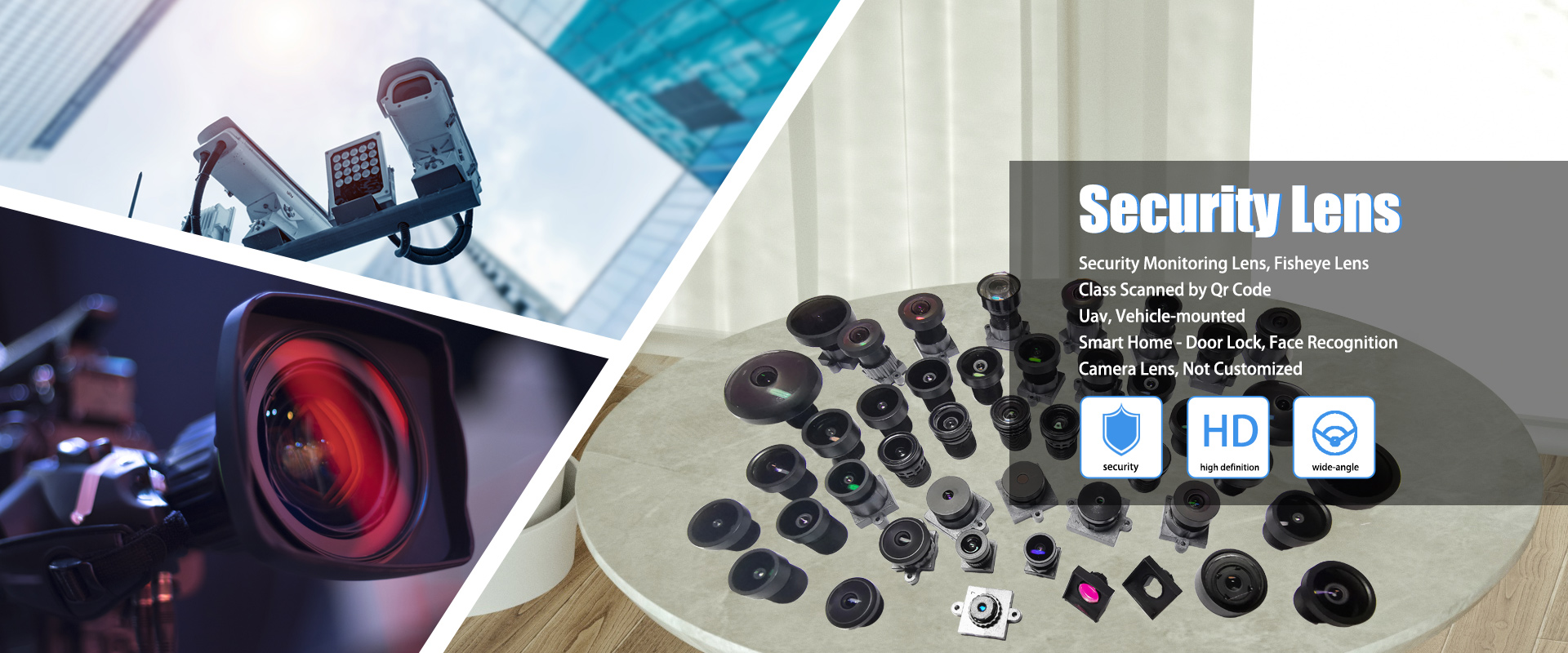
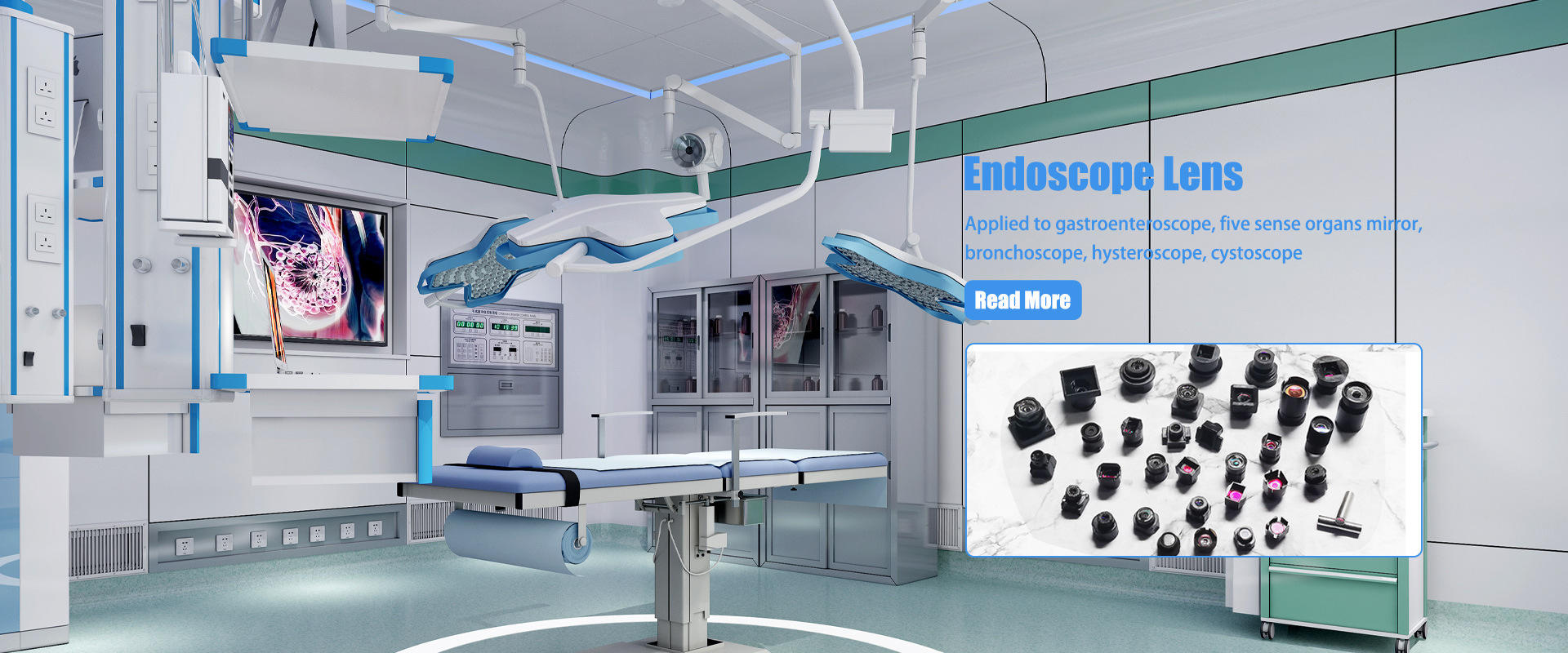
Shanghai Silk Optical Technology Co., Ltd. Since its establishment in 2016, Shanghai Silk Optical has been consistently committed to the design, development, manufacturing, and sales of optical lenses and components. We are a National High-tech Enterprise honored with the prestigious "Specialized, Refined, Unique and Innovative" (SRUI) and "Little Giant" titles in Shanghai. Deeply rooted in the fields of security surveillance, healthcare, optoelectronic displays, and automotive electronics, the company leverages its profound R&D and manufacturing expertise to fulfill its core mission: providing high-performance, cost-effective optical products to the global market.
READ MORE3 Major core business
Security Precautions, Automotive Electronics, Medical lenses
20 years
Core team with experience in the optical industry
300 +
Number of employees
10000 k/moon
Optical accessory production capacity
MILESTONES
2025
Rated as "Shanghai Little Giant Specialized and Innovative Enterprise"
Exceeding 2 million lenses per month
2019
Company incorporation
Boshi Optoelectronics is born, dedicated to the optical industry
Boshi Intelligent Industrial Park is fully put into operation
Planned optical accessory production capacity of 10 million yuan per month
2020
Gather the three core businesses together
Security lenses, automotive lenses, medical lenses
2016
M12 Lenses
Shanghai Silk Optical is a professional China manufacturer for kinds of lens,M12 Interface Lenses is one of kinds ourmainly products. Our company have a strict quality management systems, through 9001:2000, with a strong design and technology team.
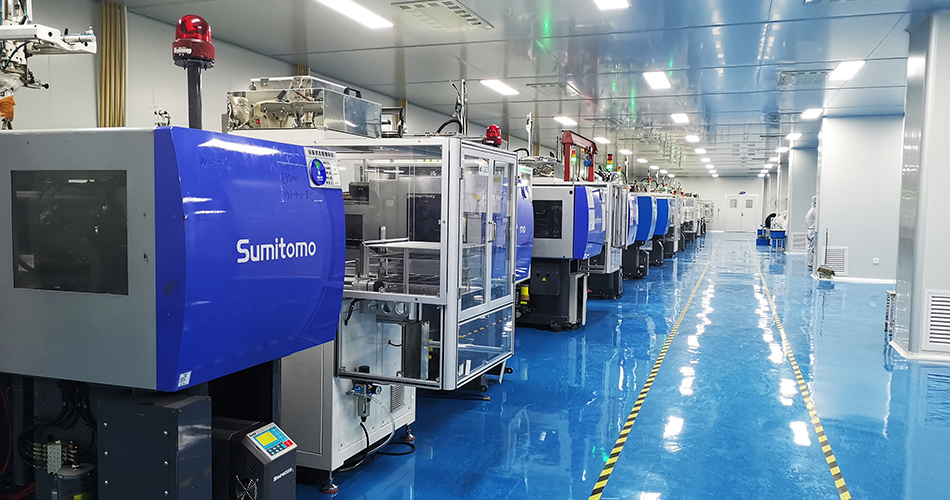
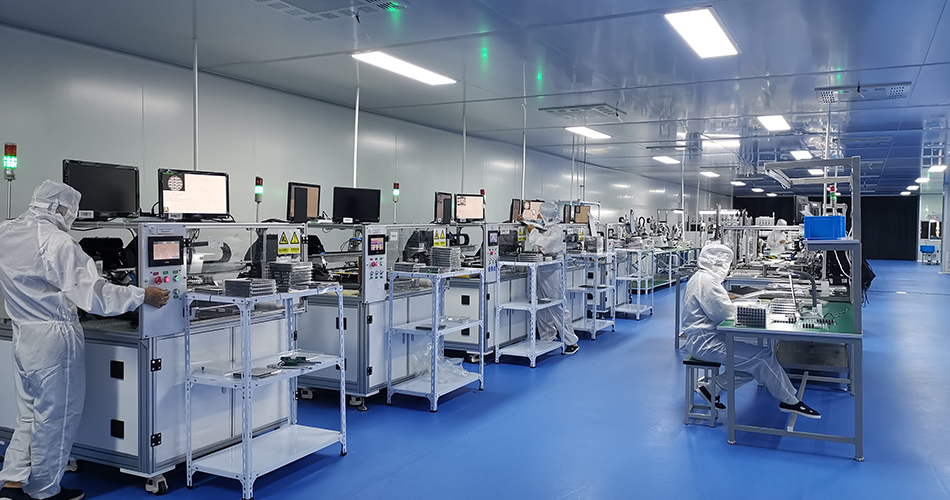
All our M12 Interface Lenses are produced, tested and assembled in dust free clean room,we have our own Research and development.At present, our company has 1 invention patent and 30 utility model patents. Our M12 Interface Lenses is including:2 Starlight Lens ,4K/5K M12 Lens ,M12 Fisheye Lens,Undistortion Optical M12 Lens,Sport DV M12 Lens, Smart Home DV M12 Lens,M12 Automotive Accessories Lens. M12 Interface Lenses is Widely used in traffic monitoring, factories, banks, supermarkets, communities and traffic.
All our M12 Interface Lenses are produced, tested and assembled in dust free clean room,we have our own Research and development.At present, our company has 1 invention patent and 30 utility model patents. Our M12 Interface Lenses is including:2 Starlight Lens ,4K/5K M12 Lens ,M12 Fisheye Lens,Undistortion Optical M12 Lens,Sport DV M12 Lens, Smart Home DV M12 Lens,M12 Automotive Accessories Lens. M12 Interface Lenses is Widely used in traffic monitoring, factories, banks, supermarkets, communities and traffic.
Featured Products
19mm F1.0 M22 12um AR Lens Long-wave Infrared Thermal Imaging Lens
13mm F1.0 M22 12um HD Lens Long-wave Infrared Thermal Imaging Lens
6mm F2.2 M7 Mount CCTV Lens for 1/2.9" Security Cameras
4.1mm F1.0 M22 12um HD Lens Long-wave Infrared Thermal Imaging Lens
9.1mm F1.0 M17 12um Lens Long-wave Infrared Thermal Imaging Lens
4.1mm F1.0 M22 12um Lens Long-wave Infrared Thermal Imaging Lens
75mm F1.0 10MP M34 17um Lens Long-wave Infrared Thermal Imaging Lens
AIoT M12 5MP 8mm 1/2.7" F2.0 FPV Camera Lens
AIoT M12 2.85mm 1/2.9" F2.3 FPV Camera Lens PL071
AIoT F1.6 4.0mm 1/2.7" M12 FPV Drone Camera Lens PL066
MF F1.6 4.0mm 1/2.7" M12 FPV Drone Camera Lens PL066
M12 F2.4 2.8mm 1/2.7" Security CCTV AIoT Lens


ABout US
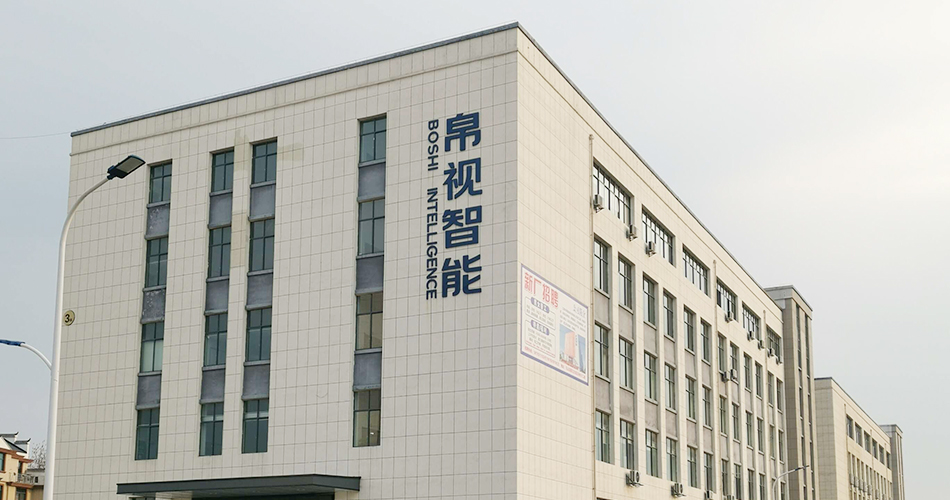
Our company was founded in 2016 and is located in Jiading Industrial Park, Shanghai.Our factory specializes in producing and selling various kinds of surveillance camera lenses and optical lenses, with an annual output value of 70 million yuan. Our company has rich experience in production, processing and technology research and development, as well as good industry resources. At present, the company's core products are mainly concentrated in the field of video surveillance equipment and medical endoscope. In the field of medical endoscope, our company has initially established its brand image and become a leading company of making it in China. We have 1 invention patent and 30 model patents already. company has a full quality system, and has passed ISO9001:2008 certification and ISO14000 environmental system certification to ensure product quality.
News
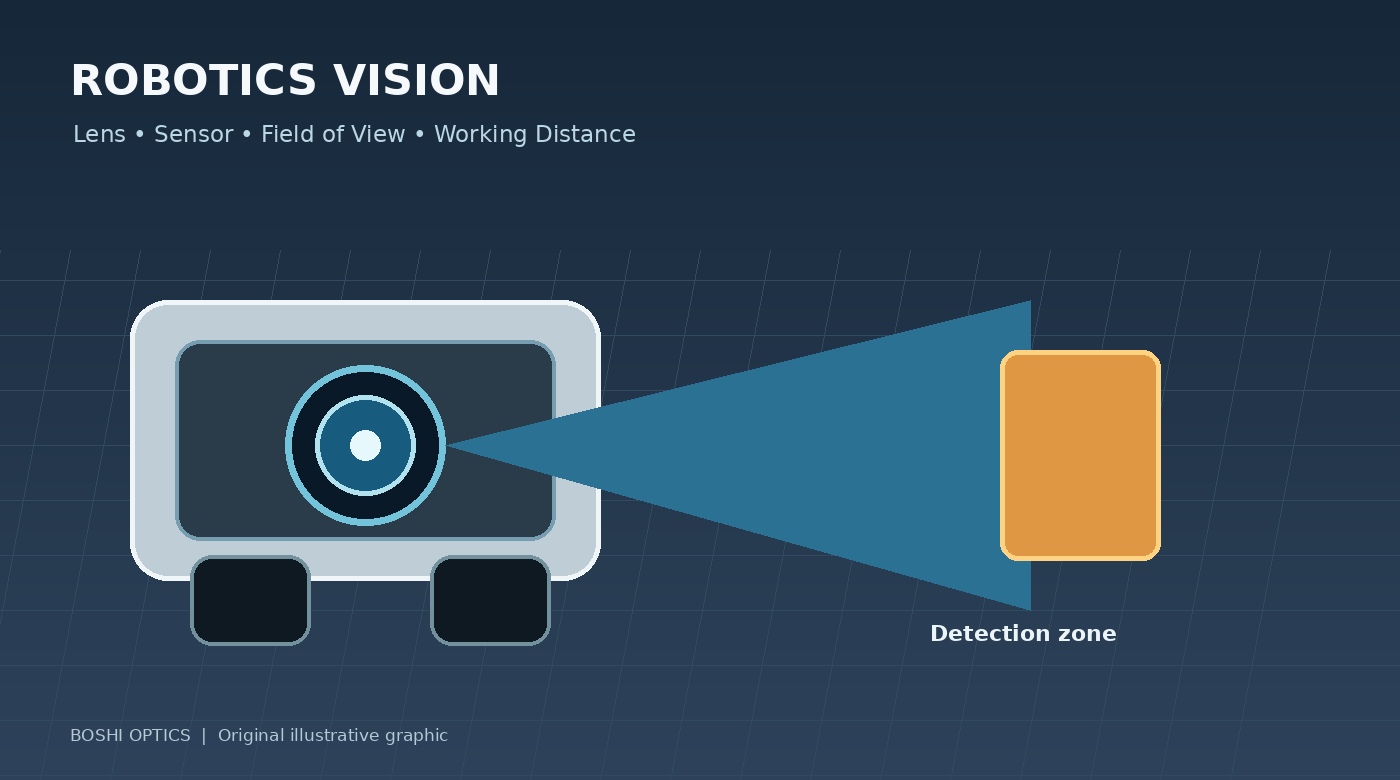
Choosing a Camera Lens for Robotics: What Matters Beyond Field of View
A mobile robot can have excellent motors, reliable navigation software, and a powerful processor—and still make poor decisions if its camera does not capture the right visual information.For an autonomous guided vehicle (AGV), warehouse robot, inspection robot, or service robot, the camera lens is not simply a small part attached to the sensor. It determines how much of the environment enters the image, how objects are represented, and how consistently the vision system can interpret what it sees.
Read More
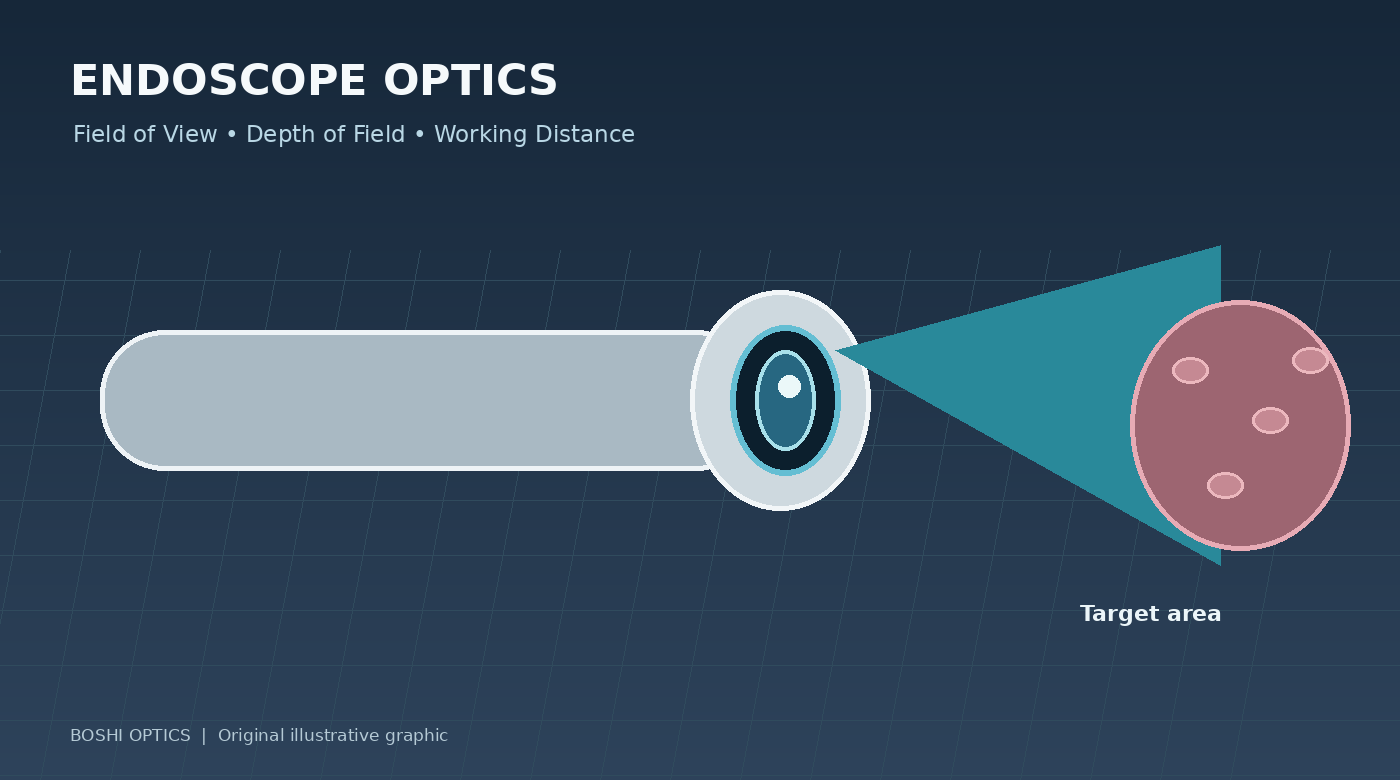
How to Choose an Endoscope Lens for Your Application
An endoscope lens has a difficult job. It must fit into a narrow instrument while producing an image that is useful at a short distance, often in a space where lighting and positioning are tightly constrained.Choosing an endoscope lens is therefore not simply a matter of selecting the smallest available diameter or the widest field of view. A lens that captures a broad scene may show less detail per object. A design optimized for a particular working distance may not keep a much nearer or farther object in acceptable focus. Mechanical limits can also restrict the optical configurations available to the designer.
Read More
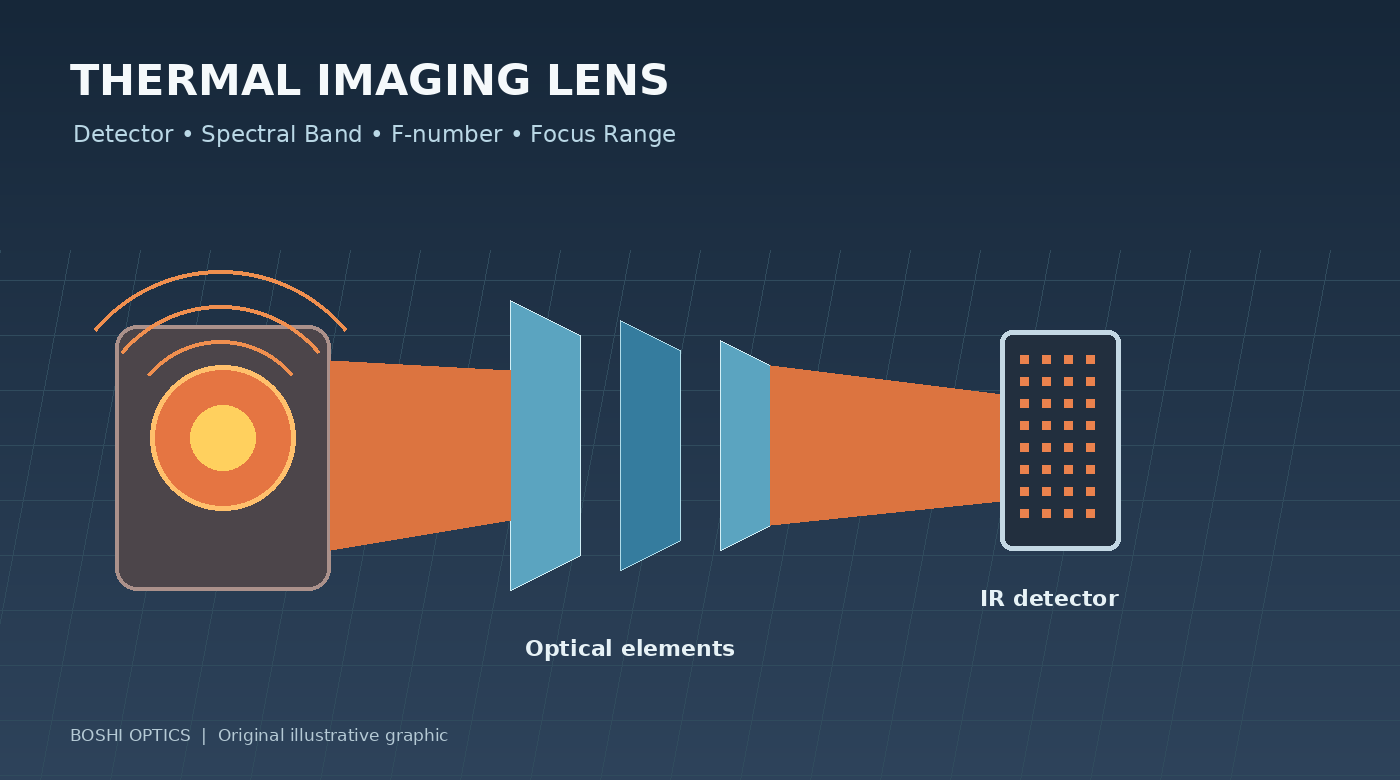
How to Specify a Thermal Imaging Lens: 7 Parameters Buyers Should Confirm
A thermal camera does not form an image in the same way as a conventional visible-light camera. It detects infrared radiation within a defined spectral band and converts the received signal into a thermal image. The lens must be designed for that wavelength range and matched to the detector and intended application.
Read More
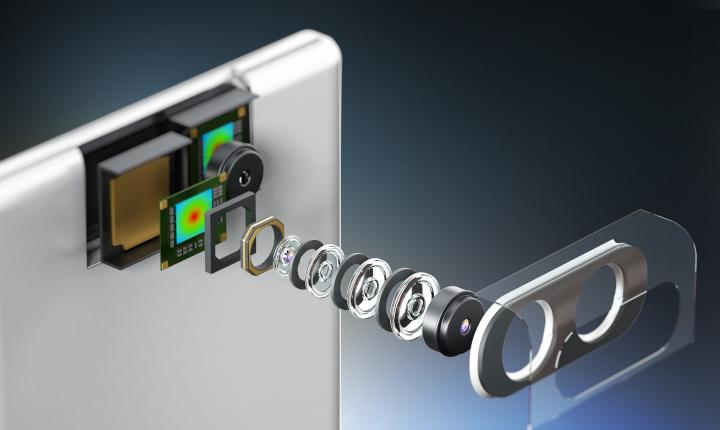
Why System Compatibility Matters More Than Individual Specifications
A camera project can look perfect on paper.The sensor has the required resolution. The lens has the specified focal length. The mounting thread fits. The budget is approved.Yet the first sample produces disappointing images.The corners are blurry. The image is darker than expected. Focus changes when the camera temperature rises. Or the lens captures a different area of the scene than the engineering team anticipated.
Read More
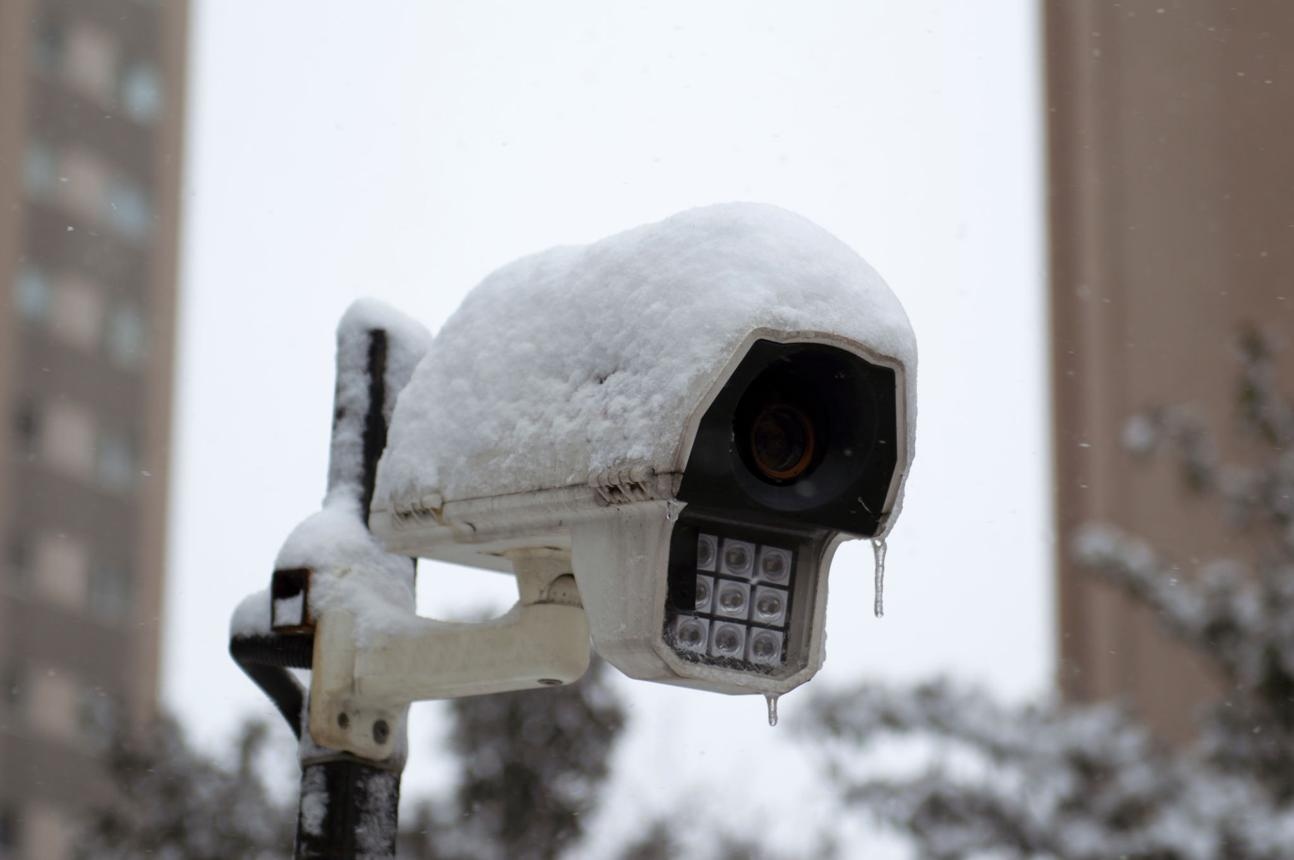
Why Do Camera Lenses Need to Survive Temperature Changes
This article explains why camera lenses must withstand temperature changes. A lens is both an optical and mechanical system: barrels, spacers, adhesives, and optical elements expand and contract at different rates, shifting element spacing and focus. Even if nothing breaks, the point of best focus can move, softening images in outdoor installations. Optical materials also change refractive properties with temperature. Athermalization—designing the system so thermal changes compensate—addresses this. Applications like automotive, surveillance, drones, and industrial vision face repeated cycling, so testing must verify maintained optical performance, not just power-on survival. The right temperature specification depends on the actual environment, not a universal rating.
Read More
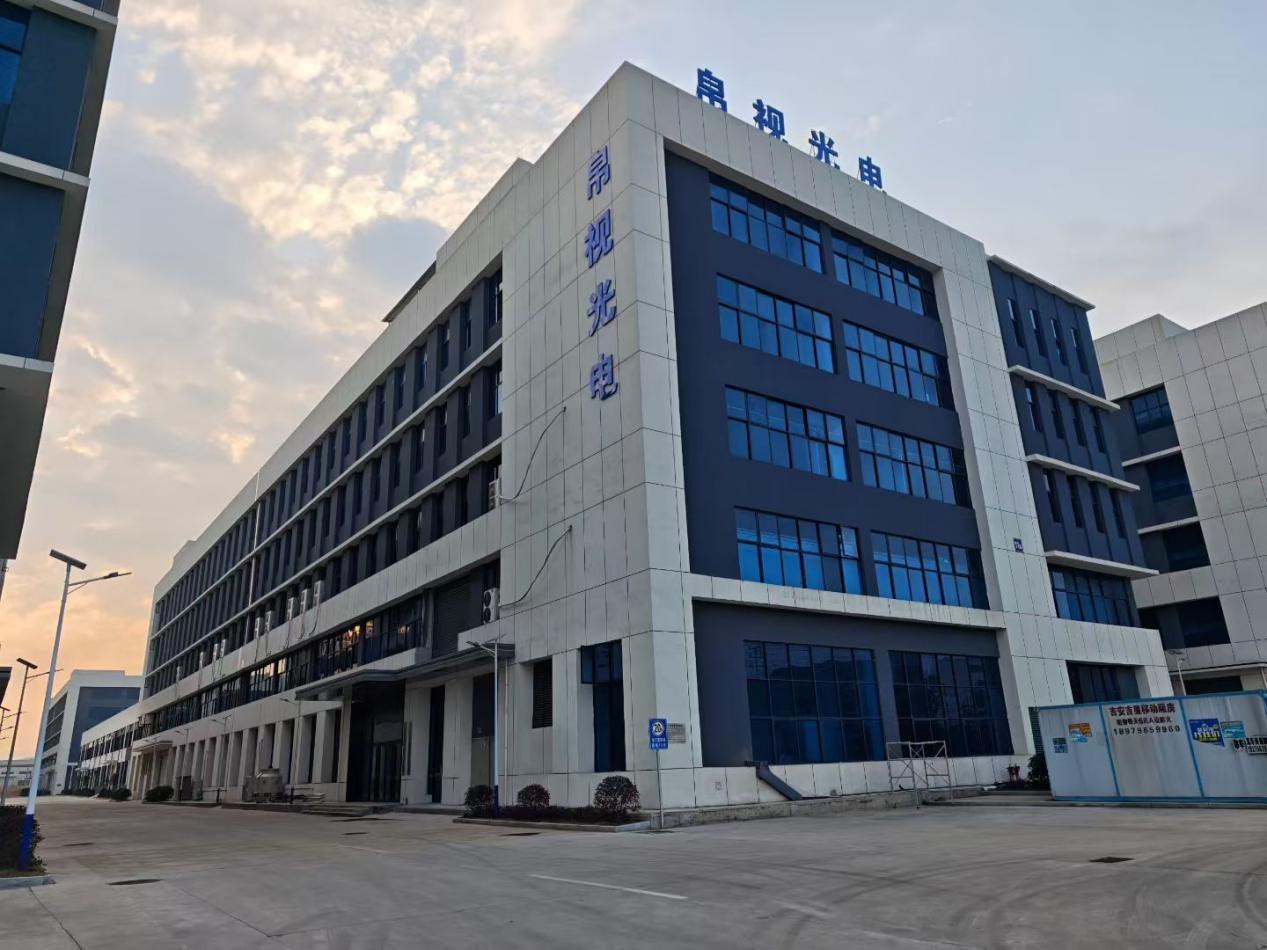
Inside Boshi Optics’ New Factory in Jiangxi: Building a Complete Optical Lens Manufacturing Chain
BOSHI Optics has expanded its manufacturing network with a new factory in Suichuan, Ji'an, Jiangxi—its third facility alongside Shanghai and Shangrao. The Ji'an plant covers 15,450 m² with 200+ staff and an annual capacity of ~9 million lens sets, covering optical cold processing to lens assembly. Combined with existing sites, BOSHI now has ~48,000 m² of manufacturing space and ~20 million pieces monthly capacity. Capabilities span lens barrels, optical components, precision molding, coating, assembly, and MTF testing. The company serves security, automotive, and medical lens applications, offering both standard and custom optical solutions for OEM/ODM projects.
Read More
New Products
19mm F1.0 M22 12um AR Lens Long-wave Infrared Thermal Imaging Lens
13mm F1.0 M22 12um HD Lens Long-wave Infrared Thermal Imaging Lens
6mm F2.2 M7 Mount CCTV Lens for 1/2.9" Security Cameras
4.1mm F1.0 M22 12um HD Lens Long-wave Infrared Thermal Imaging Lens
9.1mm F1.0 M17 12um Lens Long-wave Infrared Thermal Imaging Lens
4.1mm F1.0 M22 12um Lens Long-wave Infrared Thermal Imaging Lens
75mm F1.0 10MP M34 17um Lens Long-wave Infrared Thermal Imaging Lens
AIoT M12 5MP 8mm 1/2.7" F2.0 FPV Camera Lens